


.svg)

.svg)


Information is general and not a substitute for medical advice. For urgent symptoms, call 9-1-1 or go to the nearest emergency department.

Pre-Launch Phase
Learn MoreJoin the Medea Santé Private Launch List
Learn More


Diagnostic exams and nursing care screening travel health vaccination
Comprehensive support: prevention, screening, treatment, and medical follow-up.
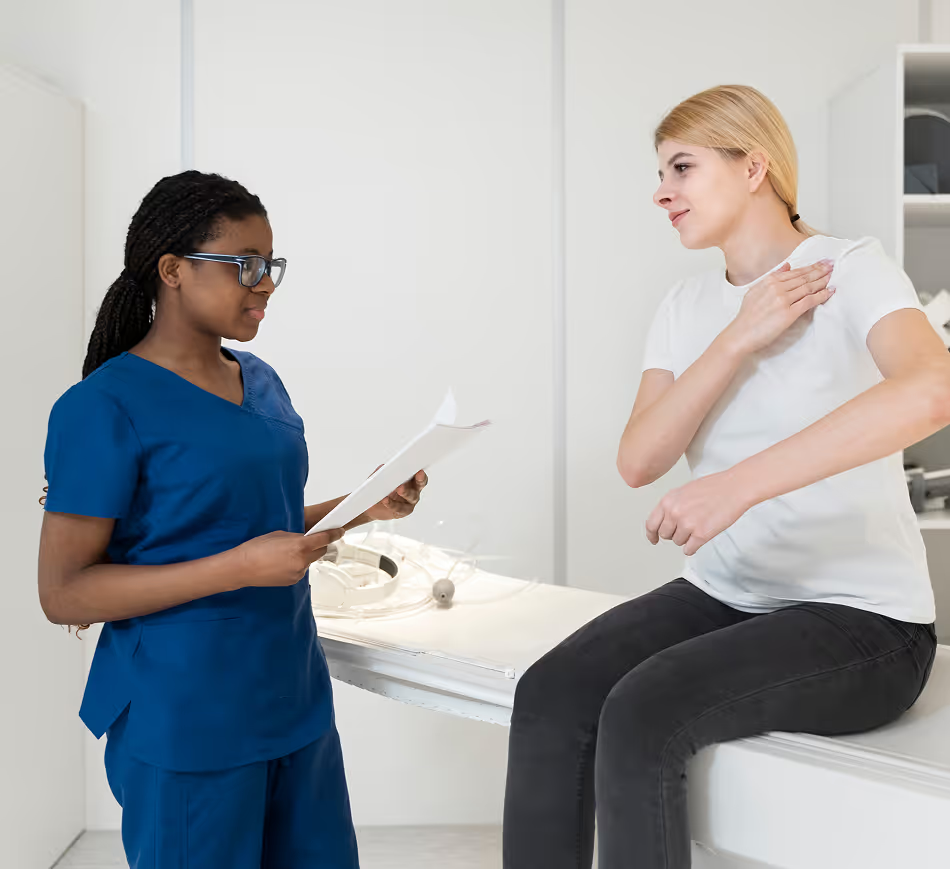
Diagnostic Testing
- Ambulatory blood pressure monitoring (ABPM)
.avif)
.avif)
.avif)
.avif)
Screening and Rapid Tests
Rapid and discreet screening for:
- STIs, sexually transmitted and blood-borne infections
- Respiratory infections, including COVID-19, influenza, and streptococcus
Treatment included as indicated.
Travel Medicine & Vaccination
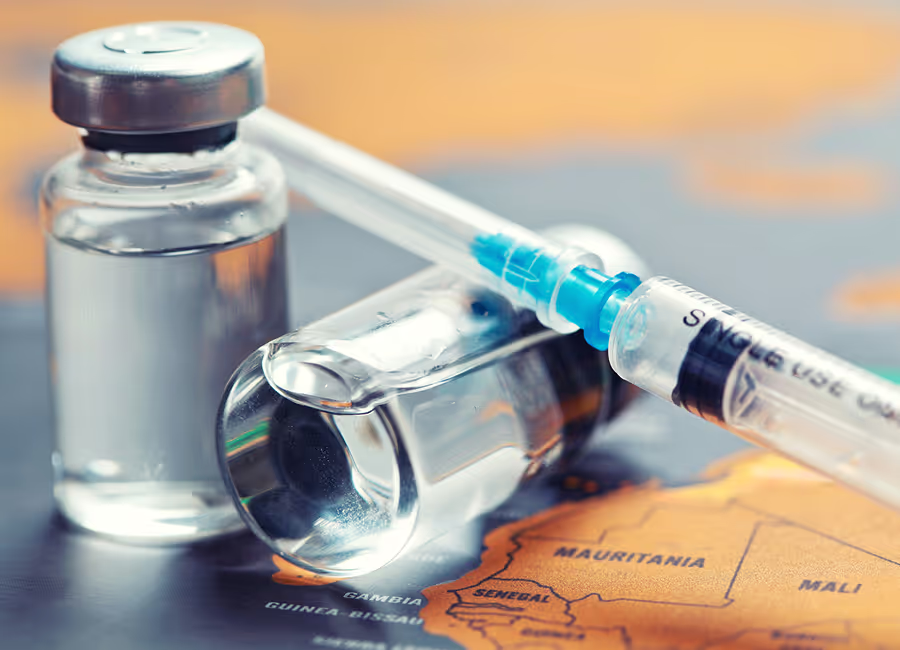
Planning a trip? The travel-health consultation allows you to obtain the recommended vaccination coverage and preventive treatments according to your destination.
- Malaria prophylaxis
- Acute mountain sickness prophylaxis
- Traveller’s diarrhea
.avif)
.avif)
Nursing Services
Our nursing team provides a full range of routine care:
- Vaccinations
- Ear irrigation
- Dressing changes, including wick management
- Wound care
Quality note (ABPM)
If ABPM is performed, it follows standard protocols; Hypertension Canada recommends 20–30 minute intervals and minimum reading targets.
.avif)
.avif)
Schedule Diagnostic or Nursing Services
Access professional testing, assessments, and nursing care in a comfortable clinical setting.
FAQs
What is an ECG (electrocardiogram), and why might it be ordered?
What is spirometry, and what does a lung function test measure?
What is ambulatory blood pressure monitoring (ABPM)?
How does STI testing work, and when should I consider getting tested?
Do you offer travel medicine consultations and vaccinations?
Get in touch with us


