


.svg)

.svg)


Information is general and not a substitute for medical advice. For urgent symptoms, call 9-1-1 or go to the nearest emergency department.

Pre-Launch Phase
Learn MoreJoin the Medea Santé Private Launch List
Learn More


Regenerative treatments PRP hyaluronic acid ultrasound-guided injections
Specialized medicine focused on tissue renewal and pain relief.
Overview
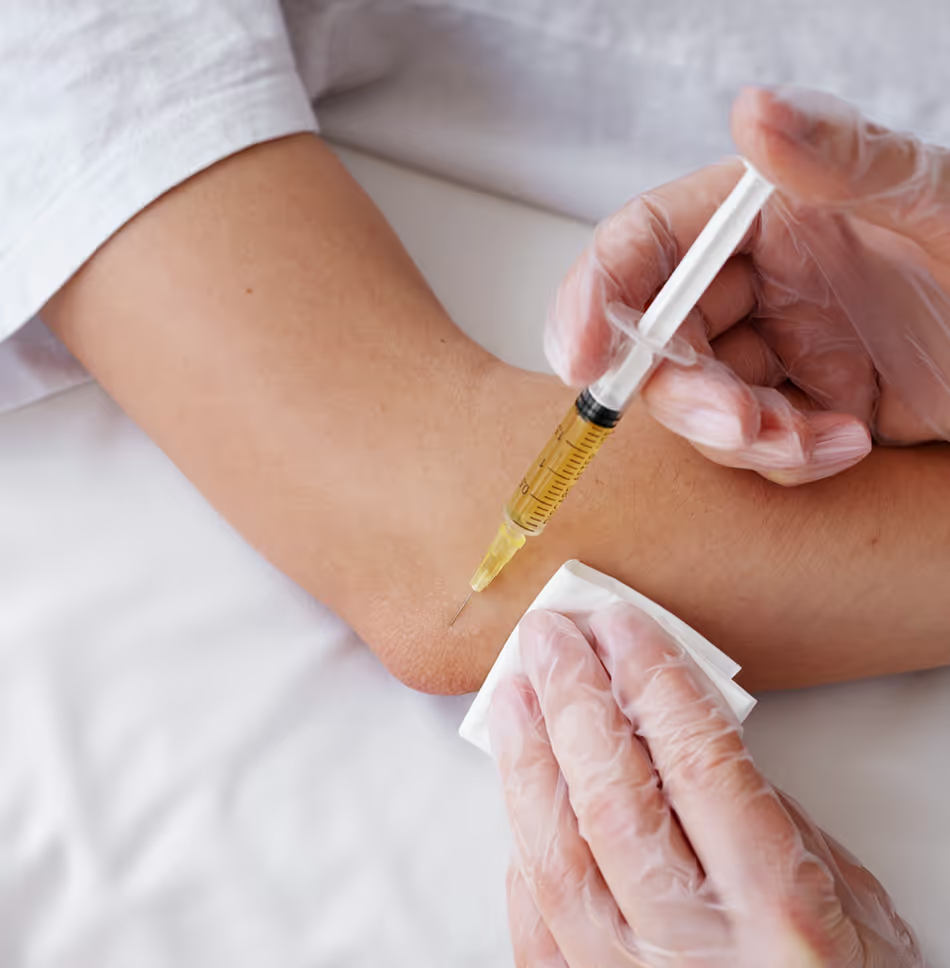
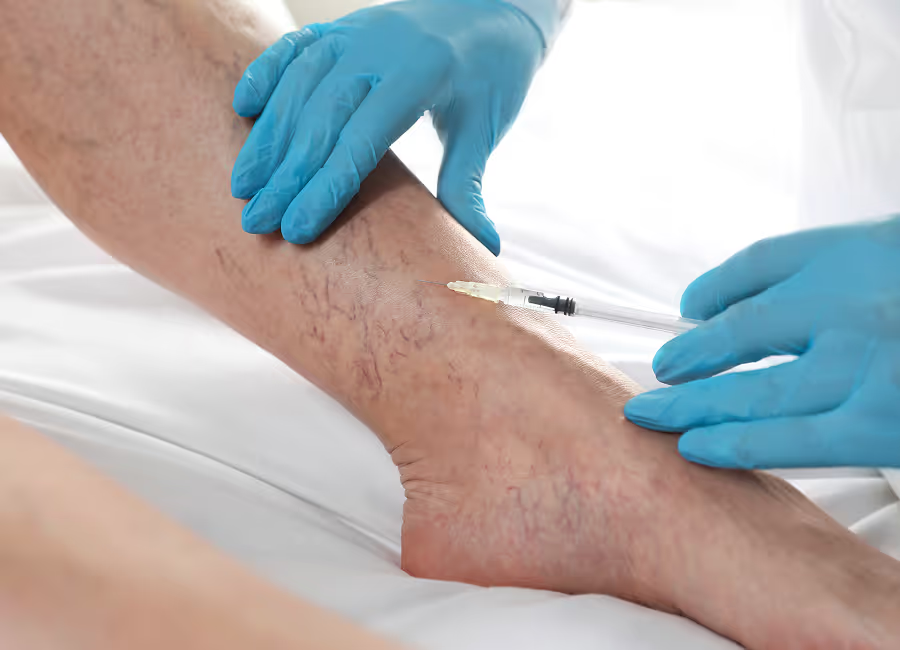
Regenerative treatments aimed at stimulating the body’s natural healing mechanisms for pain, varicose veins, skin, and hair loss.
The goal is to offer durable, minimally invasive solutions that promote optimal recovery and a return to activities.
Ultrasound-Guided Corticosteroid Injections
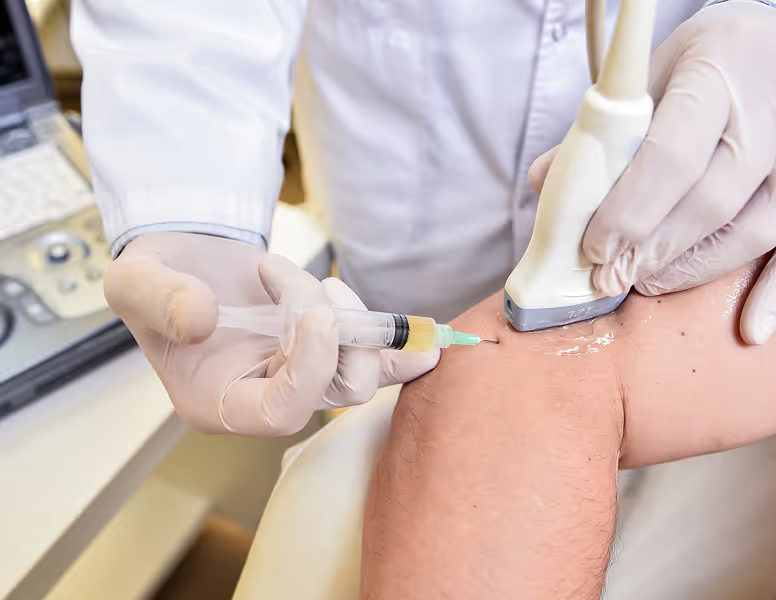
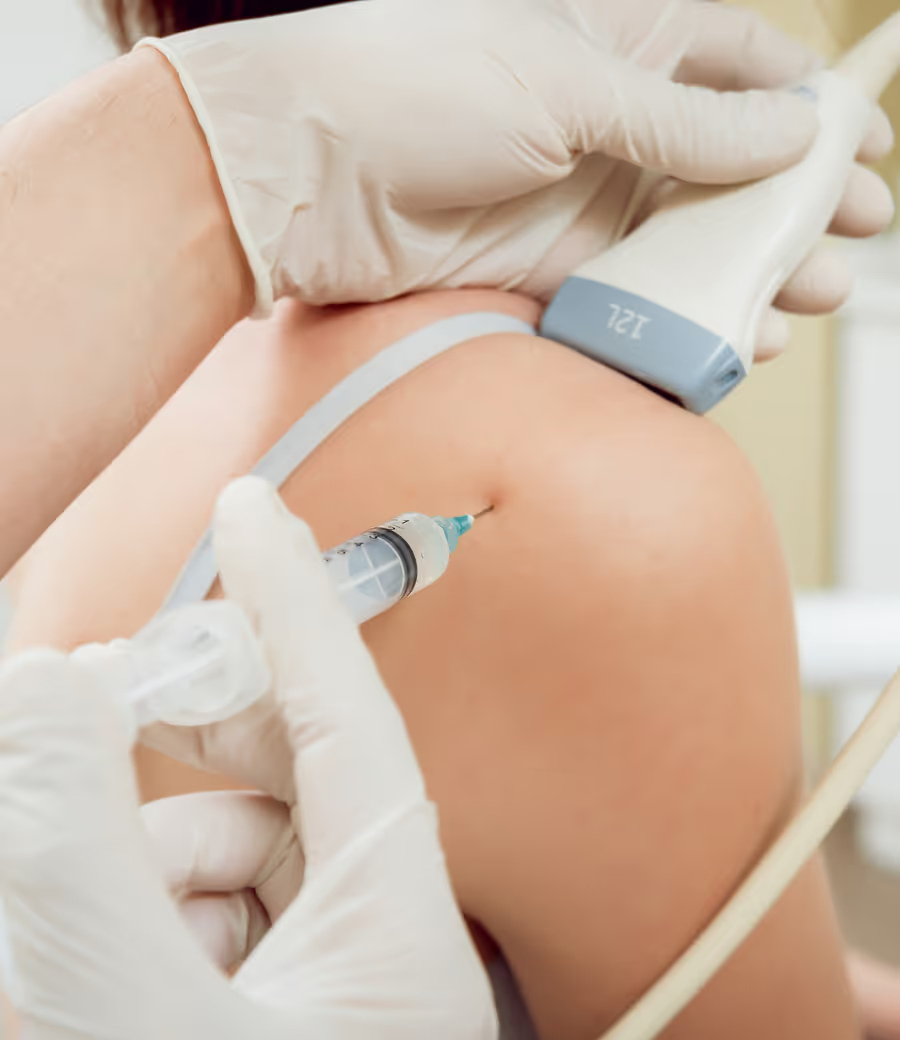
Injection of a powerful anti-inflammatory directly into a joint, tendon, or bursa to reduce pain and inflammation. Ultrasound guidance allows real-time visualization of anatomical structures, ensuring optimal precision, better treatment efficacy, and a reduced risk of complications.
Joints and conditions treated:
- Knee (osteoarthritis, chondropathies, tendinitis, bursitis)
- Hip (osteoarthritis, chondropathies, tendinitis, bursitis)
- Wrist (carpal tunnel syndrome, tendinitis)
- Hands (osteoarthritis, trigger finger)
- Feet (osteoarthritis, plantar fasciitis)
- Elbow (epicondylitis)
Ultrasound-Guided PRP Injections
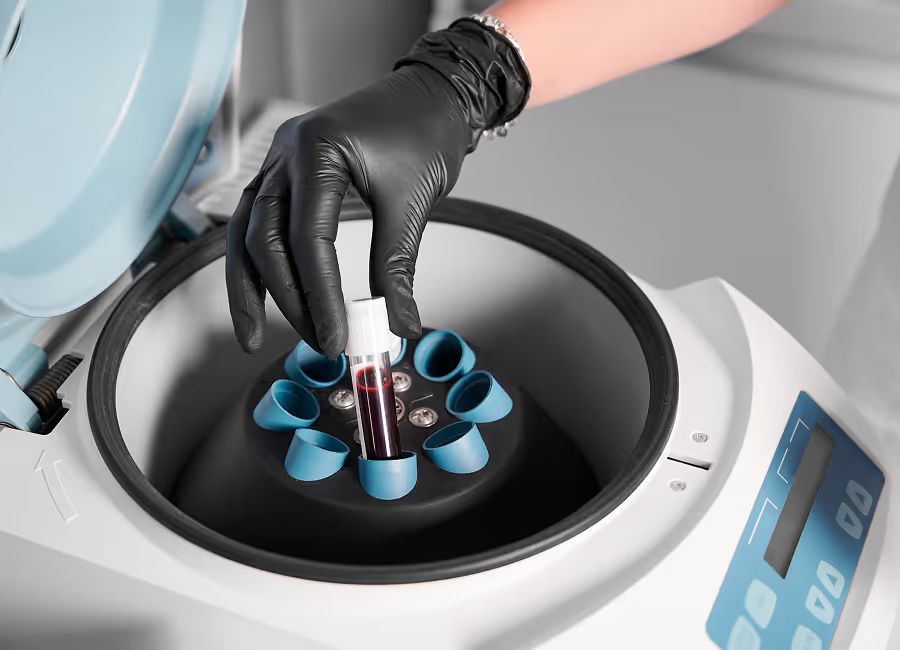
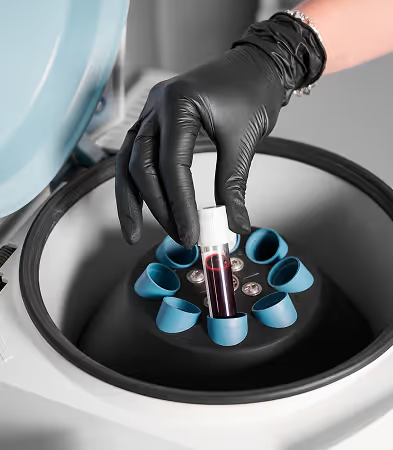
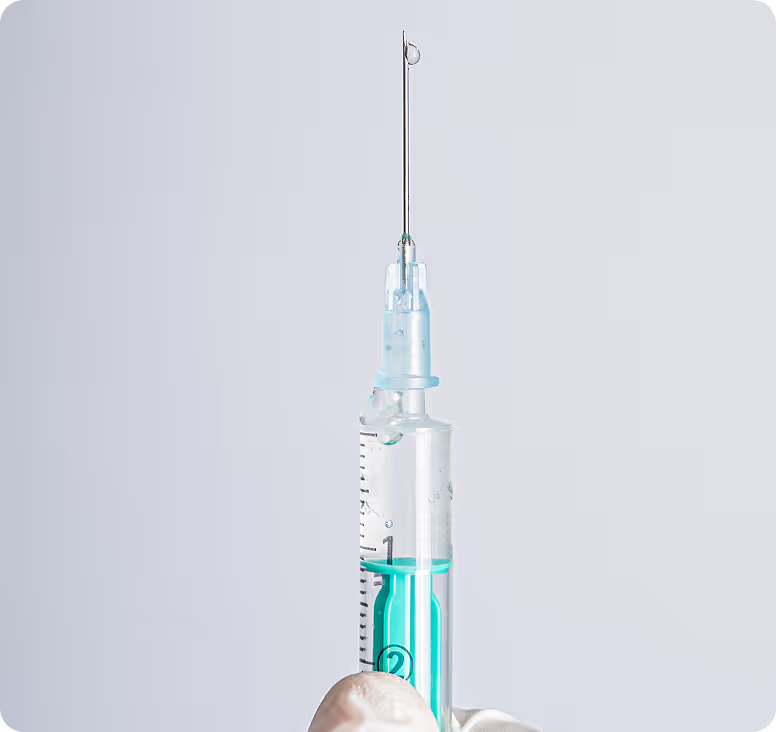
PRP (platelet-rich plasma) is a regenerative medicine treatment that uses the patient’s own growth factors to stimulate tissue repair and reduce inflammation. After a blood draw, the platelets are concentrated and then precisely reinjected under ultrasound guidance into the area to be treated. It is a minimally invasive option aimed at promoting long-lasting healing and an optimal return to activities.
Indications:
- Chronic tendinopathies
- Epicondylitis
- Patellar tendinopathy
- Achilles tendinopathy
- Rotator cuff tendinopathy
- Mild to moderate osteoarthritis of the knee
Cartilage and intra-articular conditions:
- Chondral lesions
- Meniscal lesions
Generally considered after failure of physiotherapy and conservative treatments.
Viscosupplementation
Viscosupplementation consists of the intra-articular injection of hyaluronic acid, a substance naturally present in joints that acts as a “lubricant” and “shock absorber” for cartilage. It aims to restore the viscoelastic properties of synovial fluid, improve lubrication, and reduce joint pain. This approach provides functional improvement while delaying more invasive options.
Indications:
- Osteoarthritis
- Knee
- First metatarsophalangeal joint, big toe
- Acromioclavicular joint
- Wrist
- Shoulder, glenohumeral
- Juvenile arthritis
- Chronic epicondylitis
- Acute ankle sprain within 48 hours
PRP for Hair Loss (Scalp Treatments)
PRP, platelet-rich plasma, treatments for the scalp use the patient’s own growth factors to stimulate hair follicles and promote hair regrowth. After a blood draw, the plasma is centrifuged and then injected into the scalp. This approach is indicated particularly for androgenetic alopecia and certain cases of diffuse hair loss.
PRP helps improve hair density, slow the progression of hair loss, and optimize the quality of existing hair, with a safe and minimally invasive treatment.
.avif)
Explore Regenerative Medicine Treatments
Consult with our medical team to learn whether regenerative therapies are right for you.
FAQs
What is regenerative medicine, and when are ultrasound-guided injections used?
What is PRP (platelet-rich plasma), and what is it used for?
How long does PRP take to work, and what should I expect after treatment?
What is viscosupplementation with hyaluronic acid?
What are corticosteroid (cortisone) injections, and what risks should patients know about?
Get in touch with us


